
Your first days on a UK farm: where to start
You do not need to sort everything out in one day. First get to your accommodation and save your contacts. Then check your working conditions, arrange how you will receive your pay and start recording your hours.
If there is immediate danger or a threat to life, call 999. There are separate steps below for questions about pay, accommodation and documents — you do not need to wait until the end of the month.
What do you need now?
I have just arrived
Travel, moving in and contacts
Confirm your pick-up
Save the farm's address and postcode, the name of the person meeting you and your coordinator's number. Let them know if your flight is delayed; before getting into a car, check that it is your agreed transfer.
Check your accommodation
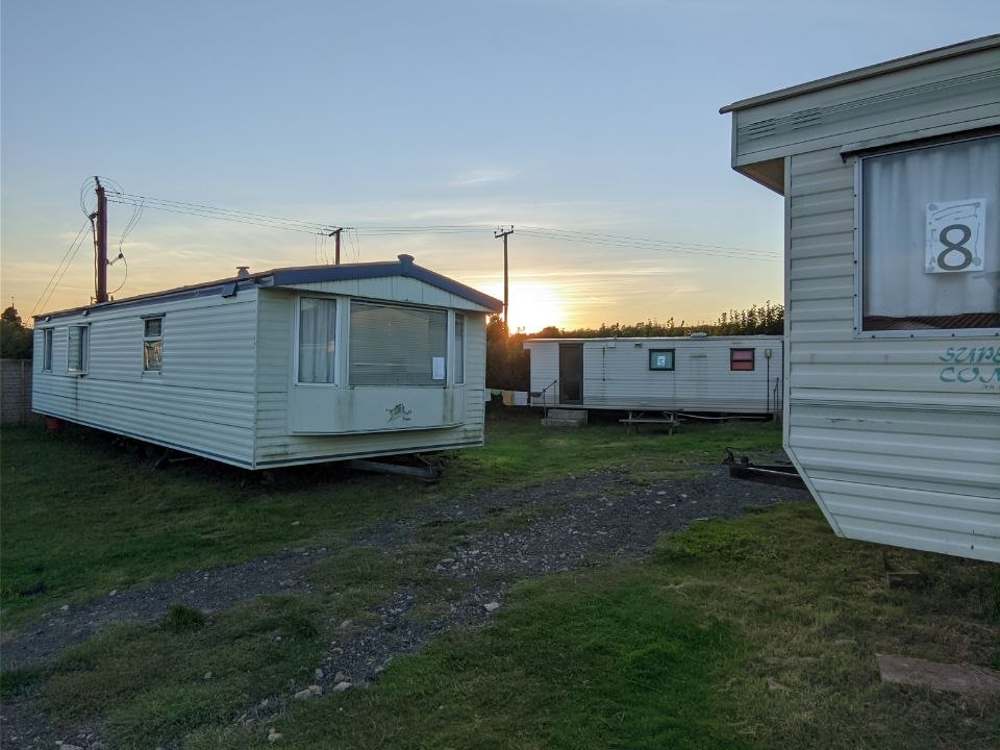
Photograph the condition of your room or caravan, and check the water, heating and locks. Report faults in writing and keep a copy.
Check the arrangements for tomorrow
Find out the meeting time and place, meals, transport, induction and who to contact outside your shift. Keep your own copy of your terms of employment.
I am starting work
Conditions, hours and safety
Check your contract
Check the pay rate, paid hours, piece rates, payday and every deduction. Ask for any unclear terms to be explained in a language you understand.
Record your hours from your first shift
Record start and finish times and breaks. If you are paid by piece rate, also keep records of quantities and rates. Compare your records with your employer's.
Complete your induction
Point out anything you do not understand and ask to be shown the safe way to work again. Check what protective equipment you need and how to report an injury.
I am getting ready for payday
Your account, NI number and payroll details
Check how you will be paid
Ask which payment details your employer needs. Open an account in your own name; documents and checks depend on the bank.
Check your NI number
Returning for another season — find your existing number. First visit — check your eVisa and documents, then apply for free through GOV.UK if needed.
Check your details before your first pay
Give payroll your correct name and payment details. If you do not have a P45, use the starter checklist before your first pay. Do not give a helper your bank or UKVI password.
I have a problem
Pay, accommodation, health or documents
Describe what happened
Record the date, amounts, hours and who you have already told. Keep payslips, messages and photos relevant to the problem.
Choose the right contact
For work and accommodation — your manager and the scheme operator's coordinator. If contacting them is unsafe or you get no reply — independent help. For a threat to life — 999.
Keep the reply and the next step
Ask for written confirmation of who is dealing with the issue and when you will get a reply. For health problems, do not delay medical help while waiting for the farm's agreement.
All sections of the guide
Details for your situation
Before departure and on arrival day
Open your eVisa before travelling. Check your details, access to UKVI and that your current passport is linked. A share code from an agent does not replace your own account access. Save the address, operator's contacts, travel documents and carrier's instructions so you can open them without internet access.
You need your passport to travel; a screenshot of your status is only a supporting copy. Follow the official guidance on travelling with an eVisa and border officials' instructions, rather than general advice about a particular queue or eGate.
Do not pack meat or dairy products without checking the rules for your departure country and point of entry. Rules differ for Great Britain and Northern Ireland. Kazy, kurut and homemade products also need to be checked by their ingredients; packaging does not remove restrictions.
For travel between Great Britain and a country outside the UK, cash of £10,000 or more must be declared, including a family's or group's combined total. Northern Ireland has separate rules with a €10,000 threshold and conditions relating to the route. Check these in advance.
Agree your transfer, its cost and what to do if you are delayed. In town, check the route and fare with the transport provider: card payments are not available on every rural route. For travelling to work, check the farm transport timetable.
Day one: accommodation, contract and staying connected
Before your first shift, find out who your employer is and who your visa scheme operator is. Save names, phone numbers and email addresses. Check who handles day-to-day living issues and where to send a complaint to the operator.
Ask for a copy of your work and accommodation terms. Check accommodation charges, the deposit, utilities, transport and possible deductions. It is better to discuss any unclear clause before signing; signing does not mean you lose all your rights.
When moving in, photograph the condition of the accommodation: bed, kitchen, shower, heating, locks and visible damage. Send your concerns to the person responsible and keep the correspondence. Do not photograph other residents or their documents without permission.
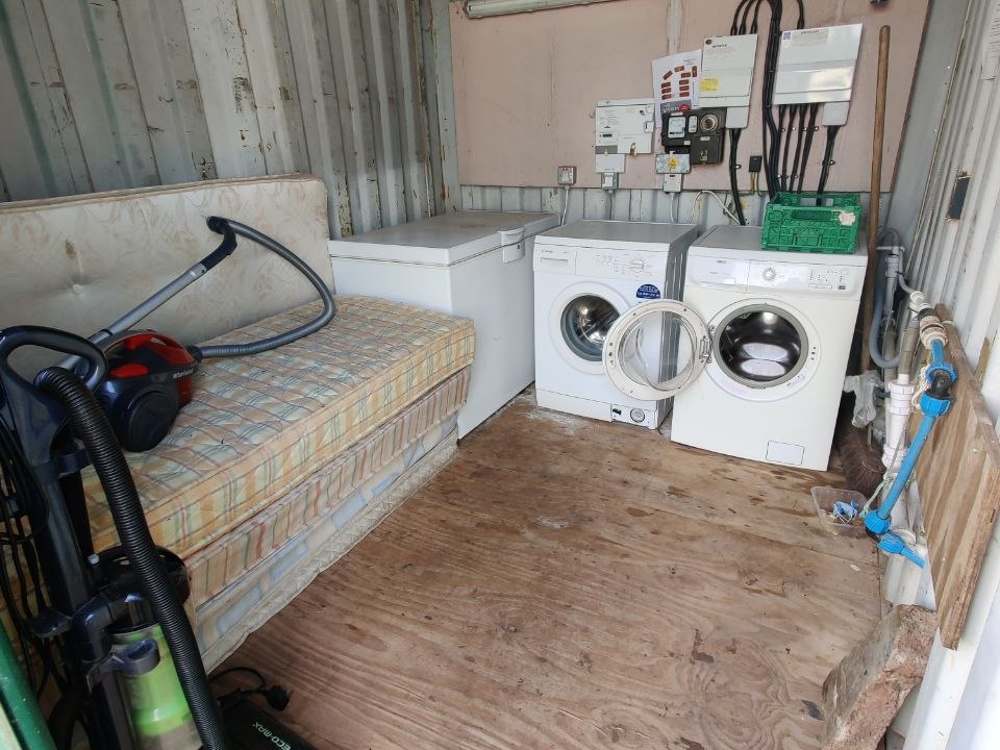
Ask where to collect personal post, how to use the Wi-Fi and washing machine, and about transport to the shops. Find out in advance how to call for help and the exact address to give the call handler.
Keep control of your passport and access to personal accounts. If your document has been taken and is not returned, or your ability to leave is restricted, seek independent help; in immediate danger, call 999.
Mobile service and apps: set up only what you need
Before buying an eSIM, check that your phone is compatible and not locked to a network. For a physical SIM, check the size and how to activate it. Do not choose a plan on price alone: ask about reception on your particular farm.
Compare the data allowance, cost of calls home, package duration and automatic renewal. Wi-Fi Calling depends on your phone and network. Save important addresses and contacts offline in case reception is poor.
For the first few days, a map, translator, your bank's app and your work communication channel are usually useful. Install them from the official app store. If you need another phone, check its condition, compatibility, returns policy and warranty before paying.
Record how to recover access to your email and bank account. Do not leave a helper's phone number as your only way to log in. You also need UKVI access that you control yourself.
Days 2–3: your account and work records
Ask payroll which payment details they need and by what date. Check the bank's identity and address requirements in its official guidance: opening an account in minutes or approval without documents is not guaranteed.
If the bank asks for proof of address, check which documents it accepts. The farm's full address and an employer's letter may help, but acceptance is up to the individual bank. Do not give a made-up address.
For hourly work, record shifts and breaks. For piece rate work, also record quantities, rates and top-up rules. Ask how your hours and output will appear on your payslip.
Do not sign blank timesheets. If your records differ from the farm's, ask about the difference straight away and keep the reply. Cash payment is not in itself illegal: proper records, deductions and a payslip matter.
First week: NI number, hours and deductions
If you have had an NI number before, find it and give it to your employer. If not, check the conditions and apply through GOV.UK. Keep your application reference number and follow the identity check instructions. You can start before receiving an NI number if you can prove your right to work.
For seasonal workers in horticulture, current sponsor guidance requires at least £12.71 per hour worked and at least 32 paid hours a week. Where pay covers a longer period, reasonable averaging of hours is allowed; this is not permission to make up a shortfall with excessive hours at the end of the period. Some poultry roles have different requirements.
Compare your contract terms with your actual pay. If you have few shifts, ask the operator in writing how the paid-hours requirement is being met. Do not treat bad weather as an automatic explanation for any underpayment.
The accommodation offset from April 2026 is £11.10 a day / £77.70 a week. This is a figure used to calculate minimum wage, not the maximum permitted rent. If accommodation costs more, the difference affects the minimum wage check; examine the calculation and every deduction.
Your first pay: five checks
Check the period: your first payment may cover less than a full week. Compare the paid hours and rate with your records. Gross pay is the amount before deductions; net pay is the amount after them.
Find Income Tax, National Insurance, pension and other deductions separately. Accommodation, transport and an advance should not be hidden in an unclear total: ask for an explanation.
Check your tax code. BR or 0T do not automatically prove an error, and not having an NI number does not explain every higher tax deduction. After your first pay, check your HMRC details through the Income Tax service; the starter checklist is for starting work before your first pay.
Compare net pay with the amount you actually received and keep your payslip. If you have not been paid or the hours do not match, send payroll a specific question with the period and amount. Ask when it will be corrected and keep the reply.
Weeks 3–4: health, living costs and money transfers
Ask your supervisor whether the farm helps you register with a GP — a general practitioner — and arranges transport. This depends on the farm. If help is not available, find a medical service yourself; emergency help must not wait for your employer's permission.
In England, GP appointments and A&E care have rules on exemption from charges, but hospital admission and subsequent treatment may be chargeable for an overseas patient. Exemption from the IHS does not mean all NHS care is free. In a serious situation, call 999; clarify costs and cover separately.
If you are in hospital and the farm is not helping, ask staff for an interpreter, patient support and contact with the overseas visitors team about charges. Tell the operator. NHS rules differ across the UK; check the local service and your insurance terms.
Before sending money, compare the final amount the recipient will get, the fee, exchange rate, timescale and whether the card you need is supported. Do not give an intermediary your banking login. A small first transfer helps check the payment details but does not guarantee that the service is safe.
Council Tax and accommodation charges depend on the property and living arrangements. Do not assume every caravan is automatically exempt. If you receive a bill or do not understand a deduction, ask the person responsible for accommodation and the local council for an explanation.
By the end of the month: what should be clear
You have your own copy of the terms, records of your hours and payslips. You know your rate, deductions, payday and the farm's and operator's contacts. You retain access to your passport, email, bank and UKVI.
For your NI application, you know whether the identity check is complete and what to do next. If the waiting period has passed, contact the service rather than waiting until the end of the season. Your postal address must stay up to date.
Accommodation or pay problems have already been described in writing. If there is no reply, contact the operator and an independent service. If needed, ask about the procedure for transferring to another farm: the operator should have a clear process for considering requests.
A transfer does not mean you can independently take a job anywhere. Agree your next steps with the operator within the conditions of your status. Do not change employer on the advice of an unknown person in a chat.
A short checklist to save
Documents: passport, eVisa access, a copy of your terms, farm address and operator details. Money: your own account or an agreed payment method, payday and clear deductions.
Work: induction, protective equipment, shift and break records, payslips. Accommodation: photos when moving in, repair arrangements, post and contacts outside your shift.
Help: coordinator's contact, address for emergency services, how to see a doctor and contact an independent employment advice service. If something is missing, choose one next step rather than putting off the whole list.
How to budget until your first pay
Check the date of your first payment and the period it will cover. Calculate separately the cost of getting to the farm, food until that date, mobile service, household purchases and agreed accommodation payments. Add a reserve for a delay or an unplanned journey.
There is no single amount that is enough for everyone: a budget of £100–200 may not cover your route and circumstances. Do not rely on earnings you do not yet have. If you need an advance, check the amount, date and deduction from your pay beforehand.
Compare SIM, transport and food prices just before buying. For food, it helps to look at the price per kilogram or litre, not just the pack size. We do not promise the same expenses on different farms.
If you arrived with a different status and are finding accommodation yourself, budget separately for a deposit, advance payment, bills and transport. Before transferring money, check the accommodation, recipient and terms. Having no credit history is not a reason to send an advance payment for an unverified advert.
Mistakes you can prevent
Do not leave your documents and sole access to accounts with a helper. Do not sign blank forms. If you do not understand a condition, ask for an explanation and keep a copy.
Do not rely solely on a chat you could be removed from. Save important messages and your own records; for a dispute, a written request with the date, facts and what you are asking for can help.
Do not pay for a job “guarantee” or faster documents without checking. The visa fee, ticket and cost of third-party services are separate expenses. Any amount above the visa fee does not in itself prove fraud; check the purpose of the payment and the recipient.
Do not wait until the end of the season to address mismatched hours, unsafe accommodation or a withheld passport. You can start seeking help by describing the facts; you do not need to prove in advance which legal category the breach falls into.
Letters and documents: what to do with them
NI letter: keep the number and give it to payroll securely. If your application is delayed or you have moved, contact the application service. Do not wait an arbitrary 8–14 weeks.
Tax Code Notice: check HMRC's explanation and the code on your payslip. Receiving an NI number does not mean everyone is automatically given 1257L.
P45: a document issued when you leave a job; request it from your employer and check earnings and tax. P60: an annual document if you were working for the employer at the end of the tax year. P800: HMRC's tax calculation, if they send you one; check the amounts and instructions through the official service.
Ask for your personal post to be given to you. If an envelope has been opened, keep it, the date you received it and the explanation. Ask in writing for clarification of how post is handled and for letters to be handed to you unopened. If data has been disclosed or a letter is being withheld, contact the operator and an independent service; do not conclude that all farms do this.
Before moving or leaving, update your address with the relevant services and arrange to receive your correspondence. Do not leave original financial documents without keeping copies.
How to store documents safely
Keep copies of your contract, payslips, hours records and requests for help. Organise them by month or date so you can quickly find the period you need. Store the original of an important document separately.
For a backup, use a personal account with a strong password and additional login protection. Check how to recover access before changing your SIM or phone. Do not create a publicly accessible folder containing your passport, NI number and bank details.
Before sending a photo, remove other people's details and information the recipient does not need. Do not store one-time codes as ordinary documents. How long to keep records depends on the type of record and your situation; there is no universal requirement to keep “everything forever”.
Where to get help
999 — immediate danger and threats to life. Give the address and postcode and explain what has happened. Do not wait for the coordinator's reply if you need urgent help.
For your contract, pay and accommodation: your manager and the operator's coordinator. Save their contacts before your first shift. If contacting them is unsafe, use an independent channel.
Acas: 0300 123 1100 — employment advice in England, Scotland and Wales. Check the official page for opening hours and available language support. In Northern Ireland, use the Labour Relations Agency.
The Fair Work Agency is an official channel for employment breaches and exploitation within its remit. Choose the appropriate reporting method on its website; do not assume every line operates around the clock or replaces the emergency services.
For medical help, contact a GP or the local urgent medical service. For a dispute over your status or a threat of visa cancellation, you need separate, qualified immigration advice: a farm manager is not the Home Office.
Examples of actions — not accounts of specific people
Your payslip shows fewer hours than your log: compare the same period, list the specific shifts and ask payroll to explain the difference. If the reply does not resolve the issue, give the documents to the operator or an adviser.
The heating in your caravan does not work: record the fault, tell the person responsible and ask for a repair date or a safe alternative. If there is danger, do not wait for a formal reply.
Your NI number letter has not arrived: find your application reference number, check the email about your identity and contact the service. A repeat application or paid “fast-track” service does not replace finding out the cause.
If you did not arrive on a Seasonal Worker visa
Advice about mobile service, documents and bank details is useful for other newcomers too. But your right to work, council support, benefits and accommodation must be checked against your status. The seasonal route does not allow you to bring family members as dependants on this visa.
Homes for Ukraine has separate rules for hosts and support. Do not assume old promises of a fixed payment or length of stay apply to you: use the current guest guidance and your council's contacts.
If your status allows you to look for work independently, prepare a CV and proof of your right to work, and check the employer before handing over documents. This advice does not allow a seasonal worker to change jobs freely.
For English and ESOL, ask the local council, library or college about available classes, costs and eligibility. The community can help with practical questions but does not replace an official source on rights.
Frequently asked questions
Where should I start on arrival day?
Confirm your pick-up, get to your accommodation, save your contacts and inspect the property. Then check your first shift time and working conditions.
Which documents should I prepare for travel?
A valid passport, access to your eVisa with correct details, travel documents, the farm's address and the operator's contacts. Follow your carrier's and GOV.UK's instructions.
How much money should I bring until my first pay?
Calculate your own expenses until the confirmed payday: travel, food, mobile service, accommodation and a reserve. There is no single amount that is enough for everyone.
Can I bring kazy or kurut?
First check the rules for products of animal origin for your departure country and point of entry. Homemade packaging does not remove restrictions; rules differ for Great Britain and Northern Ireland.
How should I choose a SIM?
Check coverage on the farm itself, phone compatibility, data, calls home and automatic renewal. Check prices and availability with the mobile network.
What if they promise to provide working conditions later?
Before your first shift, ask for written terms and an explanation of the rate, hours and deductions. If the issue is not resolved, contact the operator's coordinator.
What if the shower or heating in my accommodation is broken?
Record the problem, report it in writing and ask for a repair date or a safe solution. If there is danger, seek urgent help.
Should I hand over my passport for safekeeping?
Keep control of your document. If it is withheld and not returned, seek independent help; in immediate danger, call 999.
What is the minimum rate for a seasonal worker?
For horticulture, sponsor guidance on the date checked requires at least £12.71 per hour worked. Some poultry roles have different requirements; check your role and contract.
What should I do if I am paid by piece rate?
Record hours, quantities and rates. Ask how pay and top-ups are calculated; piece rates do not remove the applicable pay requirements.
Is £77.70 the maximum charge for a caravan?
No. This is the weekly accommodation offset from April 2026 used to calculate minimum wage. A higher charge affects that calculation; it does not automatically make the rent unlawful.
How can I open an account without a usual address?
Check the specific bank's document requirements and the full address where you live on the farm. We do not promise approval without evidence; do not use a made-up address.
How many hours must be paid?
For horticulture, the requirement is at least 32 paid hours a week; rules on reasonable averaging may apply over a longer pay period. If there is a shortfall, ask the operator for the calculation.
Is any amount above the visa fee a scam?
No. Tickets, accommodation and other services are separate expenses. Check the payment's purpose, recipient and rules; do not pay for a promise of a guaranteed outcome.
Do I have to pay tax on my wages?
Your employer applies PAYE and the relevant deductions. Check Income Tax and National Insurance separately; the final amount depends on income, the period and your circumstances.
How can I reclaim a possible overpayment?
First check your HMRC details and payslips. After the season, choose the official route for your situation; neither a refund nor its amount is guaranteed.
When should I get in touch if I have no NI number?
If more than 4 weeks have passed since you applied, contact the application service. The official guide for receiving a number is up to 4 weeks after you have proved your identity.
Does BR mean I need an NI number?
No. Your number and tax code are separate matters. Check your employer's and HMRC's details; BR may also be applied for other reasons.
Is all NHS treatment free for seasonal workers?
No. In England, free GP and A&E care does not mean hospital admission and subsequent treatment are free. Rules depend on the service and eligibility for exemption; check insurance separately.
Is there Council Tax on a caravan?
Do not assume automatic exemption for any accommodation. If you receive a bill or an unclear deduction, check the basis with the person responsible for accommodation and the council.
Where can I complain about work?
Start with a written request setting out the issue to your manager or operator, if it is safe. For independent help, use Acas in Great Britain, the LRA in Northern Ireland or the appropriate Fair Work Agency channel.
Can a team leader cancel my visa themselves?
A team leader is not the Home Office. But ending employment may affect your status: save messages and get qualified immigration advice.
Can I bring my family on a Seasonal Worker visa?
This route does not allow you to bring family members as dependants on your visa. Other routes need to be checked separately.
Can I change farms?
Ask the operator for the transfer procedure and explain your reason. A transfer needs agreement; it does not give you the right to take a job anywhere independently.
What should I bring?
Documents and copies, a charger, a suitable adaptor, necessary medicines subject to travel rules, and clothes for the weather. Check required protective equipment with your employer in advance.
Is being paid in cash illegal?
Not in itself. Record-keeping, tax and payslip rules must be followed. Keep proof of the amount received.
What if I do not speak English well?
Ask for the conditions to be explained and for available language support. For a medical conversation, ask staff to arrange interpreting; do not rely solely on automatic translation for important decisions.
Do I need insurance?
Check cover for travel, work, medical treatment and returning home. Access to some NHS services does not mean all costs are covered; the specific terms depend on the policy.
What if I arrived under Homes for Ukraine?
Check the separate guest guidance and your council's support. Seasonal visa and farm accommodation rules do not automatically apply to this scheme.
What if personal post is opened on the farm?
Keep the envelope and date, ask in writing for an explanation of how post is handled and for your letters to be given to you unopened. If the problem continues or data has been disclosed, contact the operator and an independent service.
Official sources
- GOV.UK: starter checklist
- GOV.UK: travelling with an eVisa
- GOV.UK: bringing in food
- GOV.UK: cash at the border
- GOV.UK: payslips
- GOV.UK: cash payments
- GOV.UK: requirements for seasonal work operators
- GOV.UK: accommodation offset
- NHS: help for visitors to England
- NHS: find a GP
- GOV.UK: Seasonal Worker visa
- GOV.UK: P45 and P60
- Acas: contacts and opening hours
- Labour Relations Agency: Northern Ireland
- Fair Work Agency
- GOV.UK: Homes for Ukraine — guidance for guests